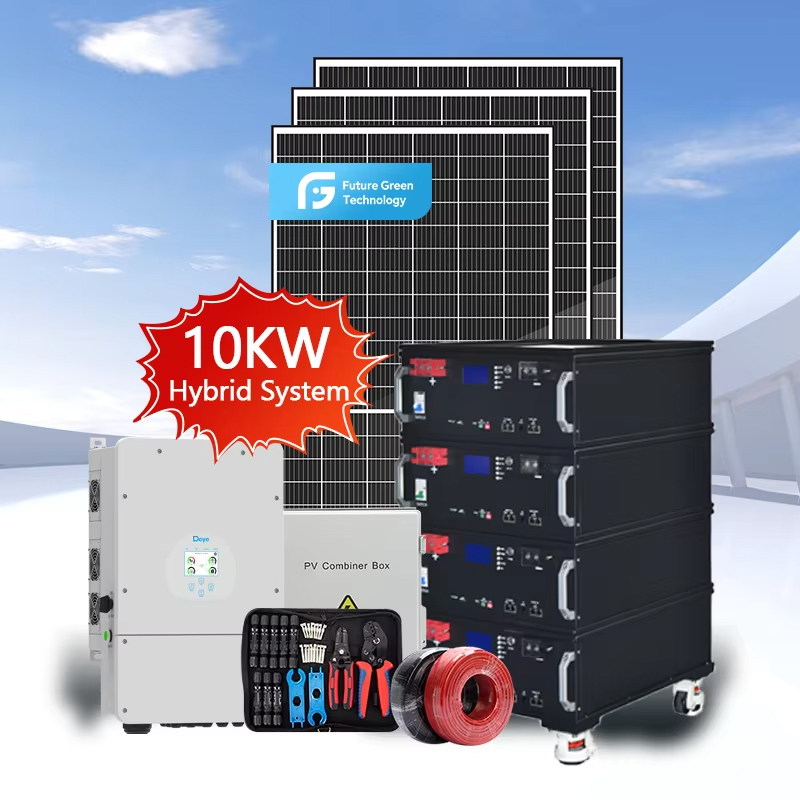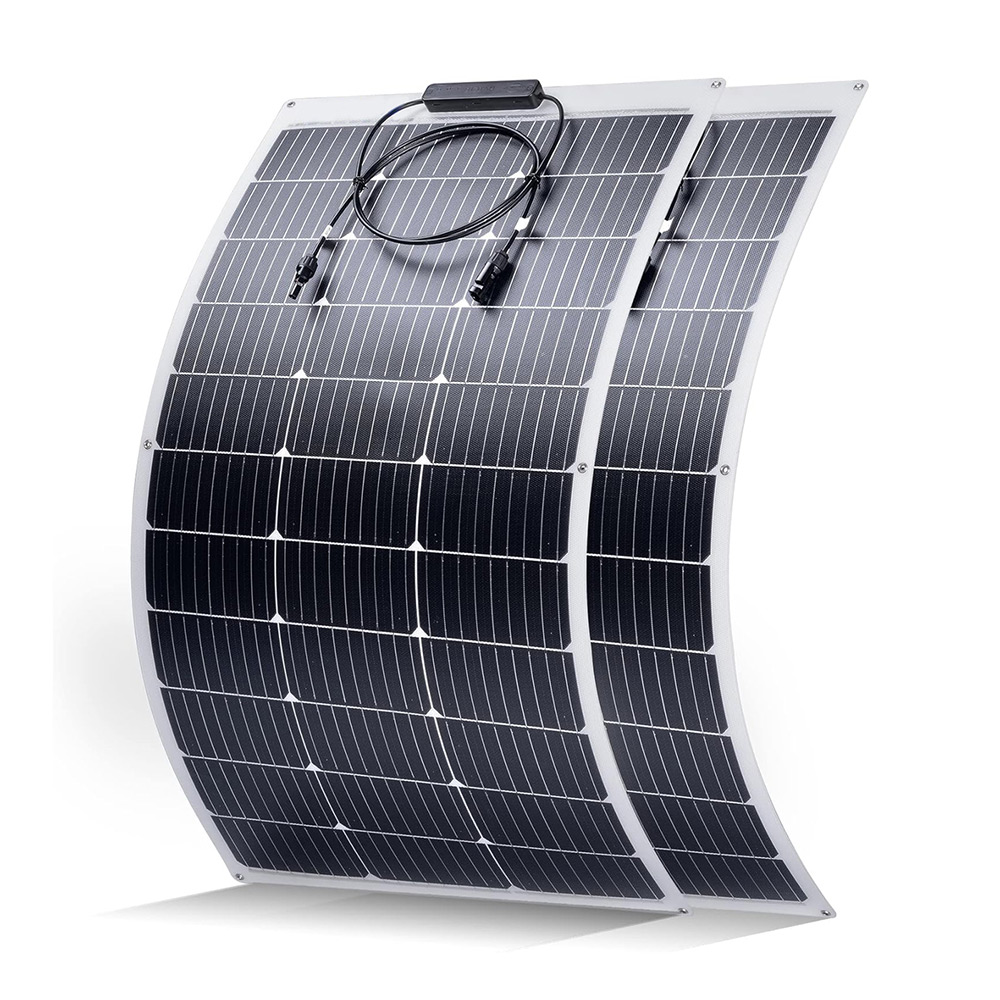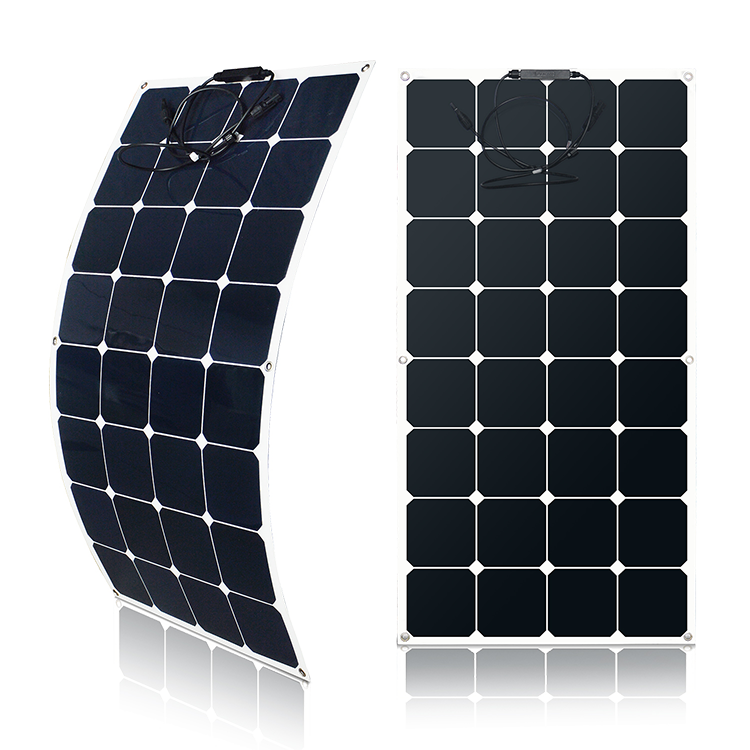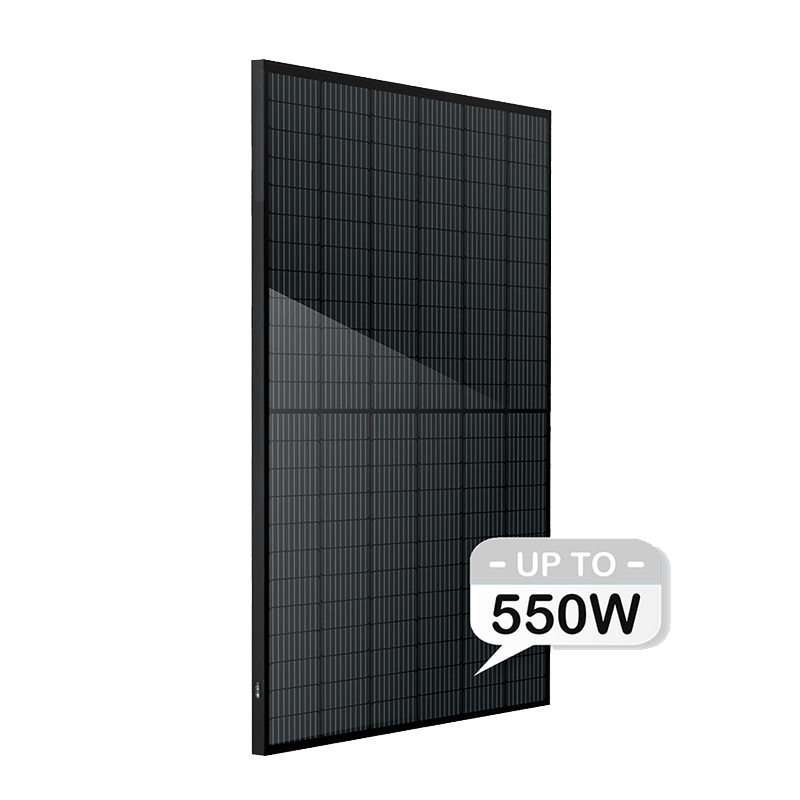
Solar-powered air conditioning couples thermodynamics with renewable generation to offset or completely eliminate utility grid dependency during peak thermal load hours. Whether deploying direct PV-inverter configurations, thermal absorption chillers, or hybrid DC/AC architectures, selecting the correct energy topology and storage reserve ratio is essential for uninterrupted thermal comfort.
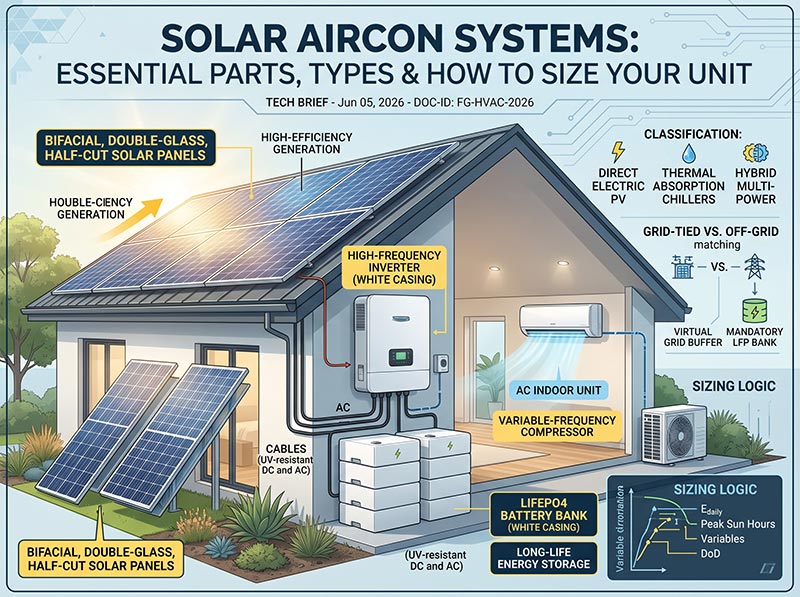
Solar cooling systems fall into three primary thermodynamic and electrical architectures based on site infrastructure and operational profiles:
Photovoltaic modules generate DC electricity, inverted to AC (or fed directly as high-voltage DC) to drive variable-frequency compressors with maximum MPPT tracking efficiency.
Evacuated tube or concentrating collectors heat thermal fluids to drive an absorption refrigeration cycle (e.g., LiBr-water), minimizing mechanical compressor demand.
Intelligently blends solar PV, grid interconnection, and lithium battery banks, executing microsecond-level source switching when cloud cover causes irradiance drop-offs.
| Configuration Metric | Grid-Tied Solar AC | Off-Grid Standalone AC |
|---|---|---|
| Energy Storage Architecture | Virtual buffer via grid net-metering | Mandatory LiFePO4 battery bank |
| Nighttime Operational Mode | Utility grid takes over 100% of load | Continuous discharge from battery bank |
| Balance of System (BOS) | PV array, grid inverter, AC breaker | PV array, MPPT controller, LFP bank, off-grid inverter, DC disconnects |
| Capital Expenditure (CAPEX) | Lowest upfront equipment cost | Higher CAPEX (Battery bank required) |
Air conditioning represents a substantial inductive electrical load. Dimensioning cannot rely on rough estimations and must follow an engineering algorithm:
Since the grid automatically compensates for solar deficits, array sizing solely matches daytime peak thermal load intervals, drastically reducing CAPEX.
Solar panels must generate sufficient power to cool the premises at noon while reserving extra current to fully cycle the battery bank before dusk, with 1–2 days of autonomy reserve.

 Monday -Sunday: 8:00 - 24:00
 No.13 Shang Zhen East RD., Taihe Town Baiyun Area, Guangzhou China
 info@futuregreenbattery.com